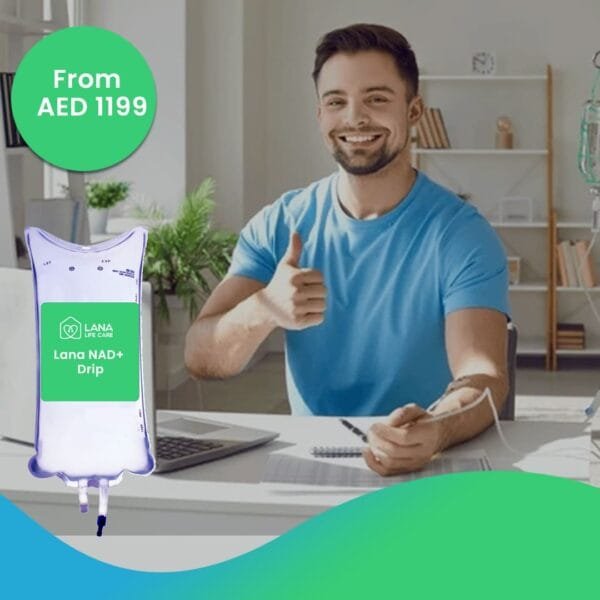
In a city where summer temperatures routinely exceed 45 degrees Celsius, dehydration is not just uncomfortable in Dubai; it is a genuine health risk. Drinking water helps, but it has biological limits. Understanding the full benefits of IV hydration therapy reveals why intravenous fluids have become an essential tool in modern preventive healthcare. This guide examines the science, the clinical advantages, and when IV hydration makes more sense than reaching for another glass of water.
IV hydration therapy is a medical procedure in which a sterile solution of fluids, electrolytes, vitamins, and minerals is delivered directly into the bloodstream through a peripheral intravenous line. Originally developed for hospital settings to treat patients with severe dehydration, fluid loss from surgery, or inability to tolerate oral intake, it has evolved into a widely available outpatient and at-home service used for both clinical and wellness purposes.
The standard IV hydration drip contains isotonic saline (0.9% sodium chloride) or lactated Ringer’s solution as a base. Depending on the patient’s needs and the treating clinician’s assessment, additional components such as potassium, magnesium, B-complex vitamins, vitamin C, or zinc may be added. The infusion typically takes between 30 and 60 minutes, during which the patient can rest comfortably. The procedure is performed by a licensed nurse or healthcare professional who monitors the infusion rate and observes for any adverse reactions.
When you drink water, it must travel through the esophagus, stomach, and intestines before being absorbed into the bloodstream. This process takes time, typically 20 to 120 minutes, depending on the volume consumed and the state of the digestive system. More importantly, the gastrointestinal tract has a limited absorption rate. Studies suggest that the gut can absorb approximately 200 to 400 milliliters of fluid per hour under normal conditions, meaning that large volumes of water consumed quickly are often excreted rather than absorbed.
IV hydration bypasses the entire digestive process. Fluids enter the bloodstream immediately and are available to cells within minutes. This difference is clinically significant in situations where rapid rehydration is necessary, such as heat exhaustion, severe vomiting, diarrhea, or post-surgical recovery. It is also relevant for individuals whose gastrointestinal function is compromised, including elderly patients and those with chronic digestive conditions. The question “is iv hydration better than drinking water?” is best answered with nuance: for everyday hydration, water is sufficient; for clinical or acute needs, IV delivery is demonstrably superior.
The composition of an IV hydration drip varies depending on the clinical indication and patient needs. However, most formulations share a common foundation. Here is what a typical hydration drip contains:
The specific formulation is determined by the administering clinician based on the patient’s symptoms, health history, and hydration goals. This customizability is one of the hydration drip advantages that distinguishes IV therapy from simply drinking water or sports drinks.
The benefits of iv hydration therapy extend well beyond simple fluid replacement. Because IV delivery ensures 100% bioavailability and allows for precise control over the composition and volume of fluids administered, it offers clinical advantages that oral hydration cannot replicate in certain situations. The following sections detail the most well-documented and clinically relevant iv hydration benefits.
The single most important advantage of IV hydration is the speed and completeness of absorption. When fluids are delivered intravenously, they are immediately available in the circulatory system without any loss to digestive processing. This is critical in situations where dehydration has progressed beyond what oral intake can effectively reverse, such as after prolonged vomiting, severe diarrhea, or extended exposure to extreme heat. In these scenarios, iv fluids for dehydration are not merely convenient but medically necessary.
In clinical settings, the difference is measurable. A patient receiving one liter of IV fluids will have that full volume available for cellular hydration within minutes. The same patient drinking one liter of water may absorb only a portion of it over the course of an hour or more, with the remainder passing through the kidneys before tissues can utilize it. For dehydration treatment Dubai clinicians encounter regularly during the summer months, this rapid absorption can be the difference between a quick recovery and a prolonged period of fatigue, dizziness, and cognitive impairment.
Dehydration is rarely just about water loss. When the body loses fluids through sweat, illness, or physical exertion, it also loses critical electrolytes, including sodium, potassium, magnesium, and chloride. These minerals are essential for nerve signaling, muscle contraction, heart rhythm regulation, and maintaining proper fluid balance between cells and the bloodstream.
Drinking plain water after significant fluid loss can actually worsen electrolyte imbalances by diluting the remaining mineral concentrations in the blood, a condition known as hyponatremia. IV hydration therapy addresses this directly by delivering a balanced electrolyte solution that restores both fluid volume and mineral balance simultaneously. This is particularly relevant for individuals who exercise intensely, work outdoors, or have experienced gastrointestinal illness with significant fluid and electrolyte losses.
Dubai’s climate presents a unique hydration challenge. With ambient temperatures frequently exceeding 40 to 50 degrees Celsius during summer, combined with high humidity levels that impair the body’s ability to cool itself through evaporation, residents and outdoor workers face an elevated risk of heat-related illness. Heat exhaustion, heat cramps, and even heat stroke are documented concerns that clinicians across Dubai manage throughout the warmer months.
IV rehydration therapy is a frontline treatment for heat exhaustion and a critical component of heat stroke management in emergency settings. Even for milder cases, where a patient has spent too long in the heat and is experiencing fatigue, headache, nausea, or dizziness, IV fluids can restore hydration and electrolyte balance far more quickly than oral intake alone. For individuals who live or work in Dubai’s extreme climate, understanding when to seek IV hydration can be an important part of maintaining safety and well-being during the hottest months. Those who need prompt care without traveling to a clinic can arrange IV therapy at home Dubai through providers equipped to deliver clinical-grade treatment in the comfort of home.
Athletes and physically active individuals lose substantial amounts of fluid and electrolytes during intense training, particularly in hot and humid environments. While sports drinks can partially address this, they come with limitations: high sugar content, incomplete electrolyte profiles, and the same digestive absorption constraints that apply to water. IV hydration offers a more efficient alternative for post-exercise recovery.
The IV rehydration therapy approach delivers fluids, electrolytes, and recovery-supporting nutrients directly to muscle tissue and organs without the delay or loss associated with gastrointestinal absorption. Many athletes report faster recovery times, reduced muscle soreness, and improved energy levels following IV hydration sessions compared to oral rehydration alone. This is especially true for endurance athletes, those training multiple times per day, or anyone exercising in Dubai’s demanding climate, where sweat rates can exceed two liters per hour.
Alcohol consumption causes dehydration through multiple mechanisms: it inhibits antidiuretic hormone (ADH), increases urine output, and often leads to inadequate fluid intake during social events. The resulting symptoms, including headache, nausea, fatigue, and cognitive impairment, are collectively known as a hangover and are largely driven by dehydration and electrolyte depletion.
Similarly, long-haul air travel exposes passengers to cabin air with humidity levels as low as 10 to 20 percent, leading to significant fluid loss through respiration and skin evaporation. Combined with jet lag, disrupted sleep, and the stress of travel, this often results in fatigue, headaches, and difficulty concentrating upon arrival.
IV hydration therapy addresses both scenarios efficiently by restoring fluid volume and electrolyte balance in a single session. Many patients who receive IV fluids for hangover or travel recovery report feeling significantly better within 30 to 60 minutes, a timeline that oral rehydration simply cannot match. This is one of the more popular applications of IV hydration at home services, particularly among busy professionals and travelers passing through Dubai.
It is important to be clear: IV hydration therapy is not a replacement for daily water intake. For healthy individuals maintaining routine hydration, drinking water remains the most practical and appropriate approach. The question is not whether IV is “better” in an absolute sense, but rather when it becomes clinically necessary or significantly more effective.
IV hydration is indicated or strongly recommended in the following situations:
For everyday hydration in healthy adults, water, herbal teas, and electrolyte-rich foods are sufficient. But when the body’s needs exceed what the gut can absorb or when time-sensitive rehydration is required, IV therapy provides a medically sound and clinically proven solution.
While IV hydration is safe and beneficial for most healthy adults in appropriate situations, certain groups stand to gain the most from this therapy due to their physiological needs or lifestyle circumstances.
Elderly individuals are particularly vulnerable to dehydration because aging reduces the body’s ability to conserve water, diminishes the sensation of thirst, and often involves medications that increase fluid loss. For older adults receiving elderly care at home Dubai, IV hydration can be an important tool for preventing dehydration-related complications such as urinary tract infections, kidney issues, confusion, and falls.
Other groups who benefit significantly include:
In each of these cases, the clinical rationale for IV hydration is grounded in the body’s inability to meet its fluid and electrolyte needs through oral intake alone, whether due to physiological limitations, environmental demands, or medical circumstances.
For residents of Dubai who need professional IV hydration without the inconvenience of visiting a clinic, Lana Life Care provides a comprehensive at-home IV hydration service. Every session is administered by DHA-licensed healthcare professionals who bring clinical expertise and medical-grade equipment directly to your door. Whether you are recovering from heat exhaustion, managing post-travel fatigue, or simply need rapid rehydration, the experience is designed to be safe, convenient, and clinically effective.
Understanding the full benefits of IV hydration therapy is the first step. Taking action is the next. Lana Life Care’s at-home IV hydration service includes:
Lana Life Care’s team works with each patient to determine the appropriate fluid composition, volume, and frequency based on their health status, lifestyle, and hydration goals. Whether it is a single recovery session or an ongoing wellness protocol, every treatment is delivered with the same clinical rigor expected in a licensed medical facility. To get started, simply book an appointment with Lana Life Care through the website or contact the care coordination team for a consultation.
For routine daily hydration, drinking water is sufficient and recommended for most healthy adults. However, IV hydration is clinically superior in situations involving moderate to severe dehydration, heat exhaustion, significant electrolyte loss, or when the patient cannot tolerate oral fluids due to nausea or vomiting. IV delivery provides 100% absorption immediately, whereas oral intake is limited by gastrointestinal absorption rates. The two approaches are complementary, not interchangeable.
A standard IV hydration session typically takes between 30 and 60 minutes, depending on the volume of fluids being administered and the patient’s individual tolerance. Some sessions that include additional vitamins, minerals, or medications may take slightly longer. Most patients can resume normal activities immediately after the infusion is complete.
Yes. Dehydration is one of the most common and underrecognized triggers for headaches, including tension-type headaches and migraines. IV hydration addresses this cause directly by restoring fluid volume and electrolyte balance rapidly. Many patients report significant headache relief within 30 to 60 minutes of receiving IV fluids. If headaches are chronic or recurrent, it is advisable to consult a healthcare provider to rule out other underlying causes.
IV hydration can be safe during pregnancy and is sometimes medically indicated for conditions such as hyperemesis gravidarum (severe pregnancy-related nausea and vomiting) that cause significant dehydration. However, it must be administered under the supervision of a healthcare provider familiar with the patient’s obstetric history. Pregnant patients should always consult their obstetrician before receiving any IV therapy to ensure the fluid composition and volume are appropriate for their stage of pregnancy.
The frequency of IV hydration therapy depends on the individual’s needs and the clinical indication. For acute situations such as heat exhaustion or illness recovery, a single session may be sufficient. For ongoing wellness support, many clinicians recommend one session every one to two weeks, particularly during Dubai’s hotter months when dehydration risk is elevated. Your healthcare provider will recommend a schedule based on your health status, activity level, and environmental exposure.
Absolutely. Dubai’s summer temperatures regularly exceed 45 degrees Celsius, and the combination of heat and humidity dramatically increases the body’s fluid and electrolyte losses through sweat. IV hydration therapy is one of the most effective interventions for recovering from heat-related fatigue and preventing heat exhaustion from progressing to more serious conditions. Many residents of Dubai schedule regular IV hydration sessions during the summer months as a proactive measure to maintain hydration and overall well-being.
The cost of at-home IV hydration in Dubai varies depending on the provider, the specific formulation used, and whether additional vitamins or medications are included. Generally, basic hydration drips start from AED 500 to AED 800, while more comprehensive formulations with added nutrients may range higher. For accurate and current pricing, it is best to contact your chosen provider directly. Lana Life Care offers transparent pricing and can provide a detailed quote during the initial consultation.


WhatsApp us