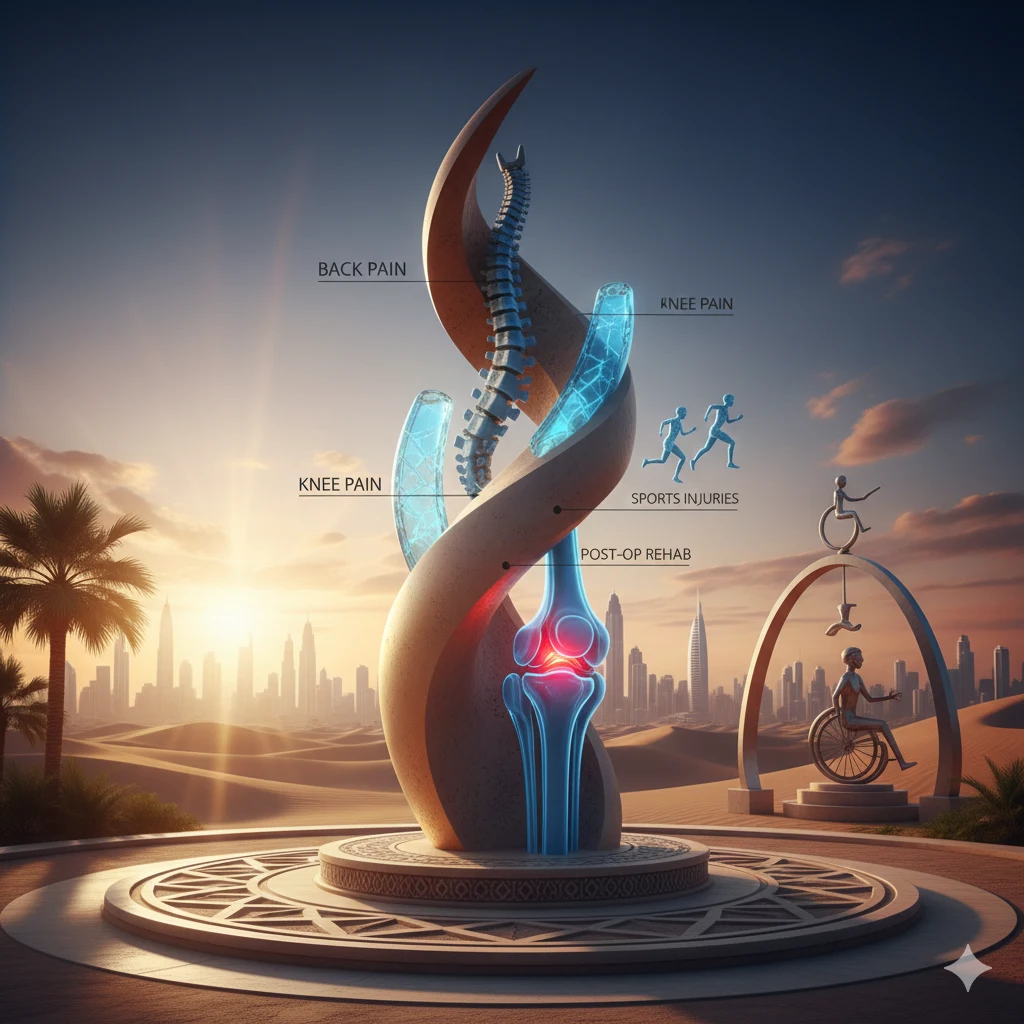
Undoubtedly, the most common reasons for physical therapy begin with the fact that it is a non-surgical and drug-free treatment, helping to restore health and physical activity without concerns about harmful side effects, in addition to the many other physical therapy benefits.
Most Common Reasons for Physical Therapy
Physical therapy is not a temporary solution as some might think, but rather a comprehensive treatment approach that focuses on the root cause of the problem, not just the symptoms. The most common reasons for physical therapy include:
1. Pain Management Without Medication
Pain relief is one of the most common reasons for physical therapy. Through therapeutic exercises, manual therapy, and stretching techniques, physical therapy helps reduce muscle and joint pain without relying on painkillers or medications with side effects.
2. Improving Mobility and Flexibility
Limited mobility can result from injury, aging, or lack of daily activity. Physical therapy helps to restore the body’s natural range of motion through exercises designed to improve flexibility and strength, and to restore the ability to move and walk.
3. Avoid surgery
In many cases, physical therapy can be an effective alternative to surgery because, when the underlying cause of the pain or movement disorder is addressed, surgery may not be necessary.
4. Recovery from Sports Injuries
Sports injuries are among the most common physio conditions, including muscle tears, ankle sprains, and knee and shoulder injuries. Physical therapy focuses not only on recovery but also on preventing recurrence of the injury.
5. Stroke Rehabilitation
After a stroke, many patients experience weakness in movement or balance, and here, physical therapy plays a crucial role in retraining muscles, improving balance, and restoring the ability to perform daily activities independently.
6. Fall prevention
It is also among the most common reasons for physical therapy; the risk of falling increases with age, so physical therapy focuses on improving balance, muscle coordination, and lower limb strength.
7. Chronic Conditions Control
Physical therapy is not limited to injuries; it also includes managing health conditions such as arthritis, fibromyalgia, lymphedema, and even some cancer-related conditions. Therefore, treatment programs are designed to help manage symptoms, reduce pain, improve mobility, and support overall long-term health.
Top Benefits of Physical Therapy
After understanding the most common reasons for physical therapy, it is worth mentioning that the benefits of physiotherapy extend far beyond pain relief; it promotes physical and mental well-being and provides patients with practical tools to maintain an active and healthy lifestyle, as follows:
Poor posture negatively affects breathing and spinal health. Therefore, physical therapy works to correct muscle imbalances, strengthen supporting muscles, and improve body alignment, which positively impacts breathing and daily energy levels.
With age, balance and reaction time decline, so physical therapy is used to enhance physical stability, reduce the risk of falls, and improve confidence during movement, especially on stairs or uneven surfaces.
-
Enhancing Athletic Performance
Physical therapists are experts in improving movement, so they help athletes improve strength, flexibility, and stability, while reducing the risk of injuries resulting from movement errors.
Acute or chronic pain affects both the body and mind, while physical therapy helps with movement education and progressive exercise, helping patients understand and manage their pain safely.
-
Reduce stress and improve mood
Regular physical activity boosts levels of serotonin, also known as the happiness hormone, which improves mood and reduces stress.
-
Independence and Confidence
Physical therapy enhances a patient’s ability to move independently and supports their independence and self-esteem, thus boosting their self-confidence.
Common Conditions That Require Physical Therapy
Many health conditions that benefit greatly from physical therapy, whether acute or chronic, including:
-
Musculoskeletal conditions
Physical therapy gradually restores strength and flexibility in cases of back and neck pain, herniated discs, sports injuries, arthritis, and post-surgical recovery, such as after joint replacement surgery.
-
Cardiovascular and Respiratory Conditions
Physical therapy also aids in cardiac rehabilitation after strokes, improves respiratory efficiency in cases of asthma and COPD, and supports recovery after surgery.
Physiotherapy also focuses on improving motor control, balance, and independence, especially in conditions such as stroke, multiple sclerosis, Parkinson’s disease, and spinal cord injuries.
-
Other specialized conditions
Some other conditions that also require physiotherapy and are very effective in treating them include women’s health, balance disorders and dizziness, lymphedema, and some conditions related to cancer or chronic fatigue.
How to Know If You Need Physical Therapy
Some signs confirm that an individual’s need for physiotherapy sessions, especially physiotherapy at home in Dubai, such as:
- Persistent pain lasting more than two weeks in any part of the musculoskeletal system.
- Mobility difficulties or loss of balance.
- The need to recover and restore physical activity after surgery or injury.
- Increased frequency of injuries or stiffness.
- The need to control symptoms and manage chronic diseases.
- The desire to improve overall physical performance or to prevent future health problems.
Your Partner in Physical Therapy Support – Lana Life Care
At Lana Life Care, we offer comprehensive home-based physiotherapy services, providing comfort, privacy, and superior quality, especially since we are the largest licensed and specialized center for home health care in Dubai.
We are keen to depend on a qualified team of licensed physiotherapists and offer customized treatment plans tailored to each patient’s needs. In addition to providing high-quality medical care, our physiotherapy sessions in Dubai are very competitive.
FAQs
What is the main purpose of a physical therapist?
The main goal of physiotherapy is to support, ease patient mobility, physical activity, reduce pain after injury or illness, improve strength and balance, prevent deterioration or recurrence of injury, and avoid surgery whenever possible.
What are the four main types of physical therapy?
The four main types of physiotherapy include:
- Orthopedic physiotherapy for muscle and joint injuries.
- Neurological physiotherapy for nervous system conditions.
- Cardiopulmonary physiotherapy for heart and breathing problems
- Pediatric physiotherapy for children’s growth and movement.
What are the 5 D’s in physiotherapy?
The 5 D’s in physiotherapy refer to:
- Dizziness.
- Diplopia.
- Dysarthria.
- Dysarthria.
- Drop attacks.
Sources:
guthrie
clevelandclinic
creighton