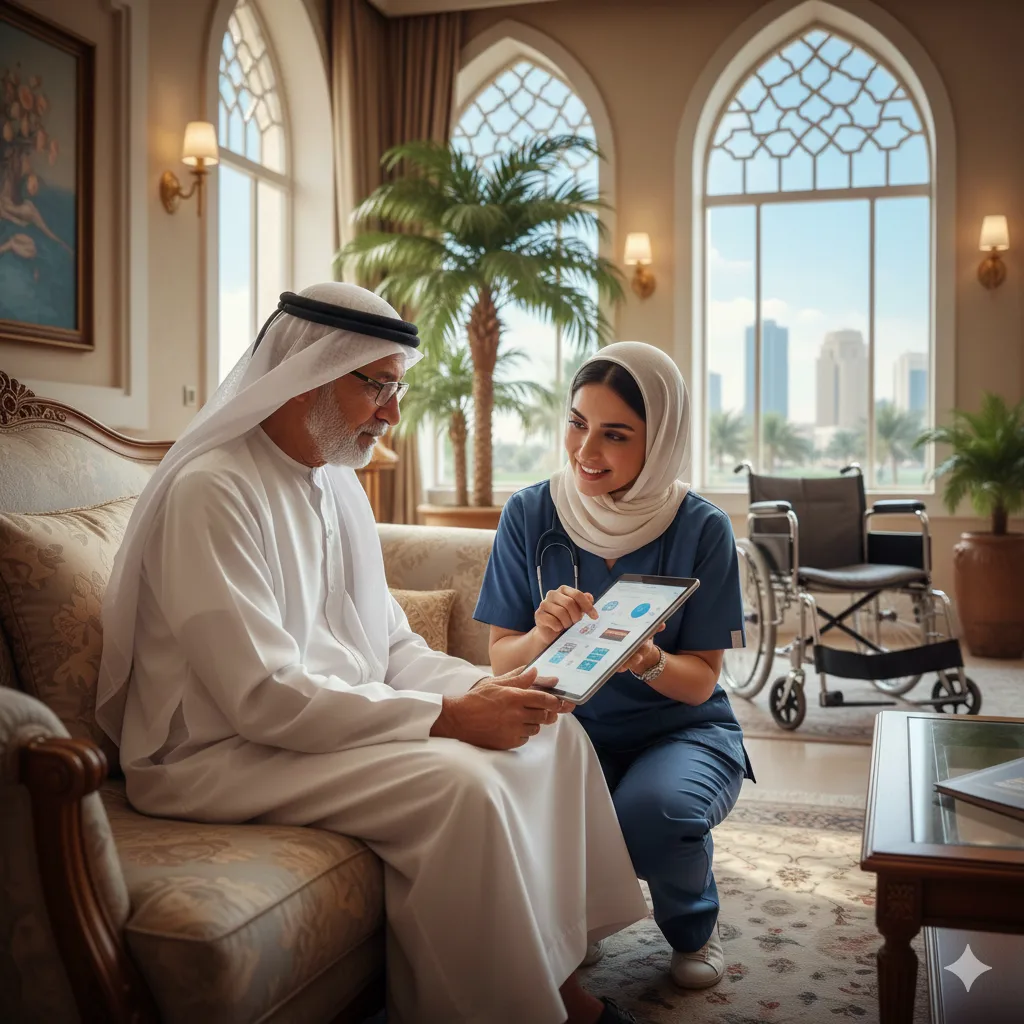
When elderly refuse hospital treatment or medical care, it presents a significant challenge for families and healthcare providers. Especially when a senior refuses a doctor visit or treatment altogether, the decision isn’t always driven by stubbornness, but often stems from psychological anxieties, past experiences, or cultural and personal considerations that require a wise and patient approach.
When Elderly Refuse Hospital Treatment
The following are the main reasons why older people refuse hospital treatment:
-
Fear of losing control and independence
Many elderly people feel that accepting treatment or hospitalization means admitting helplessness or dependence on others, and this feeling can be psychologically painful, especially for those who have lived their lives as self-reliant individuals.
-
Denial and Minimizing the Severity of Symptoms
Some older adults may downplay the severity of their health symptoms, considering them a “normal part of aging.” This denial may be a psychological defense mechanism to avoid anxiety or fear of serious diagnoses, but it can also delay necessary treatment and, unfortunately, lead to complications.
-
Fear and apprehension of medical procedures
Anxiety about surgery, pain, medical equipment, or even the possibility of dying in the hospital are all reasons that lead some elderly people to refuse treatment, as hospitals are unfamiliar places for them, full of risks and difficult decisions.
-
Embarrassment about discussing health problems
Some older adults feel uncomfortable talking about specific health problems, such as urinary incontinence or digestive disorders. This embarrassment may prevent them from seeking medical help or accepting examination and treatment.
-
Unwillingness to be a burden
Many elderly people refuse treatment because they do not want to burden their children or families financially or emotionally. This feeling of guilt can be a strong motivator for refusing hospital admission, even if they genuinely need treatment.
-
Psychological comfort at home
Home, especially for the elderly, represents safety, memories, and familiar daily routines. In comparison, hospitals seem like strange and impersonal environments, so some elderly people prefer to stay at home even if it is detrimental to their health.
-
Negative experiences with hospitals
A bad experience, such as mistreatment, medical error, or negligence, can leave a lasting impact on an elderly person’s psyche, causing them to refuse any future treatment, no matter how necessary.
Some older people prefer to rely on traditional remedies rather than modern medicine, especially if it conflicts with their personal beliefs.
Also Read: Doctor on Call vs. Clinic Visits
Why Seniors Refuse Treatment and How to Respond
Dealing with elderly people’s refusal of treatment requires a delicate balance between respecting their wishes, understanding their mindset, and protecting their health at the same time by:
Understanding the concept of mental capacity
Mental capacity means a person’s ability to understand medical information and comprehend the consequences of their decisions. It is essential to ensure that the elderly person is indeed aware of their decisions.
Aware of Fluctuations in mental capacity
An older person’s ability to make decisions may change depending on the time of day, their health condition, or the effects of medication; therefore, choosing the right time and place for discussion can make a big difference.
Supporting Decision-Making
The ability of older adults to make decisions can be improved through the use of assistive devices such as hearing aids, simple explanations, or speaking in an environment where they feel comfortable.
Who assesses mental capacity?
In everyday practice, physicians and caregivers conduct informal assessments of capacity, and in some legal cases, a formal assessment is conducted to appoint a guardian or alternative decision-maker.
Who can consent to treatment in cases of mental incapacity?
In cases of mental incapacity, the decision is made by a legal alternative decision-maker, such as a guardian or family member, according to local law, with exceptions in cases of emergencies.
Also Read: Home Care vs. Home Health Care
How to Encourage Safe Decision-Making
When a senior refuses a doctor visit and treatment, convincing him to accept treatment does not mean pressure or coercion, but rather building trust and offering safe alternatives that respect his feelings and independence, as follows:
1. Open and honest discussion
Listening to the elderly person’s concerns without judgment and expressing anxieties calmly helps to build genuine dialogue without confrontation.
2. Focus on the benefits, not the risks
Explaining how treatment can improve quality of life and alleviate pain may be more impactful than discussing the negative consequences when elderly refuse hospital treatment
3. Involve a trusted doctor
The opinion of a doctor the elderly person trusts may be more convincing than that of family members, especially when medical options are explained in simple terms.
A second medical opinion can also be sought if there is any doubt, as another doctor’s perspective may help alleviate concerns or offer less invasive alternatives.
4. Opting for Home Care
When fear of hospitals is the primary obstacle, home care can be a practical solution, especially with the development of elderly care in Dubai.
5. Choosing a nearby caregiver
Reducing the difficulty of travel can lessen elderly resistance to treatment, especially for those with mobility difficulties.
6. Accompanying the elderly
Undoubtedly, accompanying the elderly during medical visits provides them with a sense of security and support, and enhances their ability to accept treatment.
7. Telephone Consultations
When elderly refuse hospital treatment, resorting to remote medical visits or telephone consultations can be an excellent first step to persuade them to accept medical advice and treatment.
Also Read: Comparing Home Health Care & Nursing Homes
Finding a Trusted Healthcare Provider at Home
Lana Life Care is the most trusted healthcare provider at home in Dubai, and we offer a practical and humane solution when elderly refuse hospital treatment, so with us, you can experience the most advanced all-in-home healthcare services in Dubai, from doctor-on-call service, home nursing to elderly care and continuous medical follow-up at home.
We are committed to relying on a team of skilled and specialized healthcare providers who can handle sensitive cases professionally and flexibly, especially when the elderly refuse hospital treatment.
Our services are available 24/7 with high quality, privacy, and competitive pricing that ensures the comfort of families and the peace of mind of the elderly without requiring them to leave their homes.
FAQs
What to do when an elderly parent refuses medical treatment
Psychiatrists recommend calm discussion and understanding of the reasons for refusal, explaining the risks and benefits simply, involving a trusted doctor, or considering other alternatives such as home medical care.
Can family members be held liable for allowing an elderly parent to live alone?
The family is generally not held legally responsible if the elderly person is of sound mental capacity, except in cases of clear neglect or exposure to serious and avoidable danger.
Can an elderly person refuse medical treatment?
Yes, elderly people have the right to refuse treatment if they are of sound mind and understand the importance of the decision and its consequences, and it is considered a legal and human right.
Sources:
practiceplusgroup
nicenet