
Every summer, Dubai’s extreme heat puts millions of residents and visitors at genuine risk of dehydration, heat exhaustion, and heat stroke. Knowing how to stay safe during hot weather is not optional; it is essential. Temperatures frequently surpass 45°C, and high humidity makes the perceived heat even more dangerous. This guide offers medically grounded strategies to help you, your family, and vulnerable loved ones stay healthy throughout Dubai’s hottest months.
Dubai’s summer season, stretching from May through September, is characterized by conditions that place extraordinary physiological stress on the human body. Unlike dry-heat regions where sweat evaporates efficiently, Dubai’s coastal location produces a combination of high temperatures and elevated humidity that severely impairs the body’s natural cooling mechanisms. This makes heat-related illness not merely a discomfort but a genuine medical threat across the emirate.
The UAE has seen a steady rise in emergency department visits for heat-related conditions during summer months, a pattern consistent with global trends in regions experiencing intensifying heat. For residents of Dubai, awareness is the first line of defense. The following factors explain why this risk is so pronounced.
During peak summer months, Dubai experiences average daily highs between 41°C and 48°C, with ground-level temperatures in direct sunlight often exceeding 50°C. What makes these figures especially dangerous is the humidity, which frequently ranges between 60 and 90 percent in coastal areas. The heat index, which reflects the temperature the body actually perceives when humidity is factored in, can push well beyond 55°C on certain days.
At these levels, the body’s ability to cool itself through perspiration is dramatically compromised. Sweat does not evaporate efficiently in humid conditions, which means core body temperature can rise rapidly even in otherwise healthy individuals. It is this combination, not temperature alone, that makes Dubai’s summer heat uniquely hazardous.
Certain populations face disproportionate risk during hot weather in Dubai. Elderly individuals are particularly vulnerable because aging reduces the body’s thermoregulatory efficiency, diminishes the thirst response, and increases the likelihood of chronic conditions or medications that affect heat tolerance.
Children, especially those under four years of age, have a higher surface-area-to-body-mass ratio and less developed sweat glands, making them prone to rapid overheating. Outdoor workers, including construction laborers, delivery personnel, and landscaping crews, endure prolonged direct sun exposure that can overwhelm even young, healthy bodies without adequate rest, shade, and hydration protocols. Staying healthy in Dubai heat demands that caregivers and employers remain vigilant about these high-risk groups.
Preventing heat illness requires more than common sense; it demands a structured, evidence-based approach tailored to the specific challenges of a subtropical desert climate. Learning how to stay safe during hot weather starts with understanding the core pillars of protection. The following strategies address the most critical aspects of summer health tips for the UAE and provide actionable guidance for individuals and families.
Effective hydration tips for summer go far beyond the general advice to “drink more water.” In Dubai’s heat, the body can lose between one and two liters of fluid per hour during moderate outdoor activity. Replacing this volume with water alone is insufficient because perspiration also depletes essential electrolytes, including sodium, potassium, magnesium, and chloride, which regulate nerve function, muscle contraction, and fluid balance.
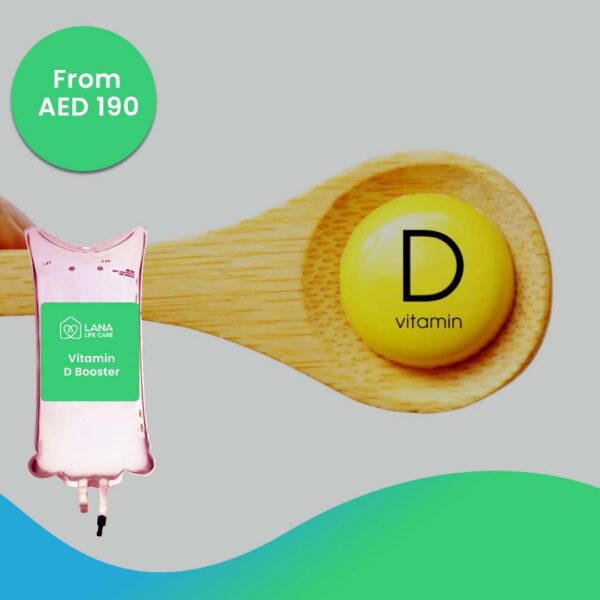
Incorporate oral rehydration solutions, coconut water, or electrolyte-enhanced drinks into your daily routine, particularly if you spend any time outdoors. Avoid excessive caffeine and alcohol, both of which promote diuresis and accelerate fluid loss. A practical benchmark is to consume at least three to four liters of fluid daily during summer, adjusting upward based on activity level and body weight. For those recovering from dehydration or struggling to maintain adequate oral intake, services such as an IV drip at home Dubai can provide rapid, clinically supervised rehydration.
What you wear directly influences how effectively your body manages heat. Lightweight, loose-fitting, light-colored clothing made from breathable fabrics such as cotton or moisture-wicking synthetics allows air circulation and facilitates sweat evaporation. Dark or tight-fitting clothing traps heat against the skin and accelerates core temperature rise.
Sun protection extends beyond clothing. A broad-spectrum sunscreen with an SPF of at least 30 should be applied to all exposed skin and reapplied every two hours, or more frequently if sweating heavily. Wide-brimmed hats and UV-protective sunglasses reduce the risk of sunburn, photokeratitis, and long-term skin damage. Sunburn itself impairs the body’s ability to regulate temperature, creating a compounding risk.
One of the most effective dehydration prevention strategies during Dubai summer is simply adjusting when you go outside. Knowing how to stay safe during hot weather means understanding that the sun’s ultraviolet radiation and ambient heat peak between 10 a.m. and 4 p.m. During these hours, outdoor exercise, errands, and recreational activities should be minimized or avoided entirely.
If outdoor exposure is unavoidable for work, commuting, or essential tasks, take scheduled breaks in shaded or air-conditioned environments every 20 to 30 minutes. Acclimatization also matters: individuals newly arrived in Dubai are significantly more susceptible to heat illness during their first one to two weeks and should limit exertion until their bodies adjust.
Understanding heat exhaustion symptoms and distinguishing them from heat stroke is a potentially life-saving skill. Heat exhaustion typically presents with heavy sweating, weakness, cold or clammy skin, nausea, dizziness, headache, and a rapid but weak pulse. The body is still attempting to cool itself, and the condition is reversible with prompt intervention: moving to a cool environment, applying cool compresses, and rehydrating with electrolyte-containing fluids.
Heat stroke, by contrast, is a medical emergency. It occurs when the body’s thermoregulatory system fails entirely. Symptoms include a core body temperature above 40°C, hot and dry skin with an absence of sweating, confusion, altered consciousness, seizures, and a rapid, strong pulse. Heat stroke prevention for the elderly and other vulnerable groups requires constant awareness. If heat stroke is suspected, call emergency services immediately, move the person to a cool area, and apply ice packs to the neck, armpits, and groin while waiting for help.
Oral rehydration is adequate for most cases of mild to moderate dehydration, but there are clinical situations where intravenous fluid therapy is the more appropriate intervention. Severe dehydration, marked by sunken eyes, very dry mucous membranes, rapid heartbeat, confusion, or significantly reduced urine output, requires faster and more controlled fluid replacement than the gastrointestinal tract can absorb.
Across Dubai, medically supervised IV hydration services have become an increasingly utilized option during the summer months. This is especially relevant for individuals recovering from heat-related illness, those with chronic conditions that impair fluid balance, and patients who experience persistent vomiting or diarrhea that prevents adequate oral intake. If you or a family member experiences symptoms that do not resolve with rest and oral fluids within 30 to 60 minutes, it is advisable to seek professional medical evaluation. You can book an appointment with Lana Life Care to arrange a clinical consultation and, if indicated, receive IV therapy under qualified supervision in the comfort of your home.
Elderly family members require a heightened level of attention during the summer months in Dubai. Age-related physiological changes, including reduced kidney function, diminished thirst perception, and a slower cardiovascular response to heat, mean that older adults can deteriorate quickly and sometimes without recognizing the warning signs themselves.
Practical protective measures include ensuring that living spaces are consistently air-conditioned and maintained at a comfortable temperature, typically between 22°C and 25°C. Establish a regular hydration schedule rather than relying on thirst as a prompt, offering water, diluted juices, or oral rehydration solutions every hour during waking hours. Monitor for subtle changes in behavior, energy level, or cognitive function, as these may precede more obvious symptoms of heat-related illness.
Families should also consider scheduling periodic health assessments during the summer. Reliable home nursing services Dubai provide a practical solution for elderly individuals who may find it difficult or risky to travel to a clinic during peak heat. A qualified nurse can conduct wellness checks, monitor vital signs, assess hydration status, and coordinate with physicians if intervention is needed, all without exposing the patient to outdoor conditions.
Maintaining health during Dubai’s summer often demands more than personal vigilance; it requires access to responsive, qualified healthcare that adapts to the season’s unique challenges. Lana Life Care offers a range of home-based health services designed to support individuals and families throughout the hottest months, including IV hydration therapy, nursing visits, vital sign monitoring, and comprehensive wellness assessments.
These services are delivered by licensed healthcare professionals who bring clinical-grade care directly to the patient’s home, eliminating the need for strenuous and potentially hazardous trips to a clinic during extreme heat. Whether you need a one-time hydration session, ongoing monitoring for an elderly family member, or a structured summer wellness plan, the team is equipped to deliver evidence-based care in a comfortable, familiar setting. For those who want to learn how to stay safe during hot weather with professional support, home health services from Lana Life Care provide a practical, medically sound option.
Temperatures above 40°C with humidity over 50 percent are dangerous. In Dubai, the heat index often exceeds 50°C in summer, risking heat illness within minutes of unprotected exposure.
Adults should drink at least three to four liters daily, increasing to five liters with outdoor activity. Include electrolyte beverages alongside water for proper replenishment.
Key signs include body temperature above 40°C, confusion, hot and dry skin without sweating, rapid pulse, and nausea. This requires immediate emergency medical intervention.
IV hydration is appropriate when oral fluids are insufficient, such as during severe dehydration or persistent vomiting. It is widely available as a medically supervised service across Dubai.
Keep their home consistently cool, schedule regular fluid intake, monitor for cognitive or behavioral changes, and arrange home health visits during summer months.
Seek medical attention if symptoms persist beyond 30 minutes despite cooling and rehydration. Call emergency services immediately if confusion, chest pain, or vomiting develops.
Yes. Licensed providers in Dubai offer home checkups, including vital sign monitoring, hydration assessment, and nursing care, which is especially valuable for elderly individuals.



WhatsApp us